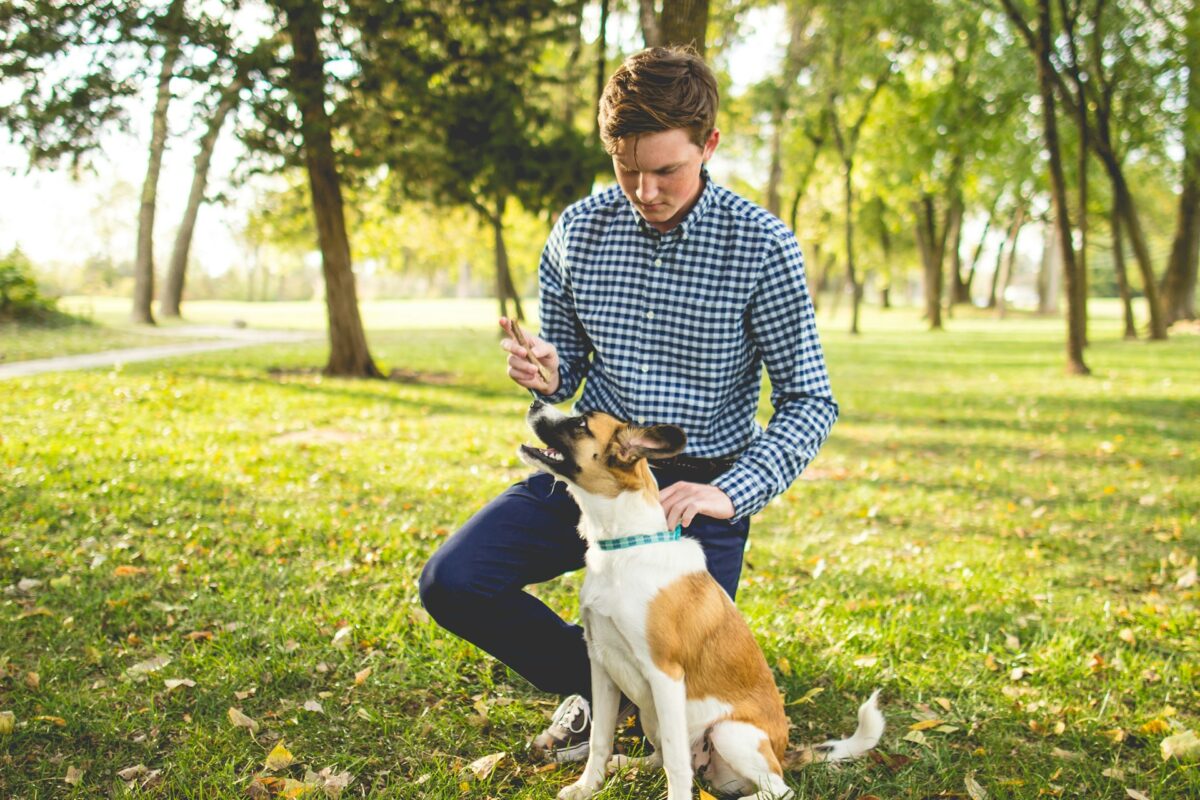
A Weekly Training Routine for Adolescent Dogs (Without Burning Yourself Out)
Adolescence is one of the most challenging—and misunderstood—stages of a dog’s life. Somewhere between puppyhood and adulthood, your once-eager learner may start ignoring cues, testing boundaries, and exploding with energy at the worst possible moments.
The good news? This phase is temporary. Even better, a simple, repeatable weekly routine can bring structure, consistency, and progress without overwhelming you or your dog.
This routine is designed for pet owners with real schedules, high-energy dogs, and a desire for calm, reliable behavior—not perfection.
Why Adolescent Dogs Need a Weekly Routine
During adolescence, a dog’s brain is still developing. Impulse control is inconsistent, emotions run high, and the world feels extra exciting. A weekly routine helps by:
-
Creating predictability
-
Reducing overstimulation
-
Reinforcing habits through repetition
-
Balancing mental and physical exercise
The Golden Rules for Training Teen Dogs
-
Train 5–15 minutes at a time
-
Reward effort, not just perfection
-
End sessions on success
-
Expect setbacks—and plan for them
Monday: Engagement & Focus
Start the week by reconnecting.
Goal: Build attention and handler relevance
Activities:
-
Name response games
-
Eye contact rewards
-
Short recall games at close range
-
Hand targeting
Tuesday: Impulse Control
Teen dogs struggle most with stopping themselves.
Goal: Teach pause and self-control
Activities:
-
Sit before meals or going outside
-
“Wait” at doors or gates
-
Leave-it games with food or toys
-
Short stays with low distractions
Wednesday: Energy Outlet + Training
High-energy dogs need to move—but with purpose.
Goal: Burn energy while reinforcing listening
Activities:
-
Structured walk with direction changes
-
“Chase Me—Then Choose Me” game
-
Recall → reward → release
-
Sniff breaks used as reinforcement
Thursday: Distance & Confidence
Adolescents need safe independence.
Goal: Build confidence while maintaining connection
Activities:
-
Short-distance sits or downs
-
Call your dog away from mild distractions
-
Let your dog explore, then check back in
-
Reward voluntary engagement
Friday: Distraction Training
Real-life training happens outside.
Goal: Practice skills where life happens
Activities:
-
Train in a new location (park, trail, parking lot edge)
-
Work at a distance from people or dogs
-
Reward calm observation and check-ins
Saturday: Play-Based Training
Learning sticks best when it’s fun.
Goal: Reinforce skills through play
Activities:
-
Tug with rules (drop, take, pause)
-
Hide-and-seek recalls
-
Trick training
-
Reward-based games
Sunday: Reset & Recovery
Yes—rest is part of training.
Goal: Prevent burnout and overarousal
Activities:
-
Enrichment toys
-
Relaxation on a mat
-
Gentle leash walk or sniffari
-
Light review of favorite cues
Adjusting the Routine to Your Dog
-
Gets overstimulated → shorten sessions
-
Ignores food → use toys or movement
-
Seems tired → add more rest
-
Acts wild → add structure, not punishment
What Success Looks Like Over Time
-
Faster check-ins
-
Better recall
-
Improved emotional regulation
-
More calm between bursts of energy
Final Thoughts
Teen dogs don’t need stricter rules—they need guidance, patience, and structure. A simple weekly routine creates stability during a chaotic developmental stage and helps transform “out-of-control” behavior into confidence and reliability.
Stick with it. Your adult dog is on the other side.