Teaching Impulse Control at Thresholds: Why It’s Essential for Your Dog’s Behavior and Safety
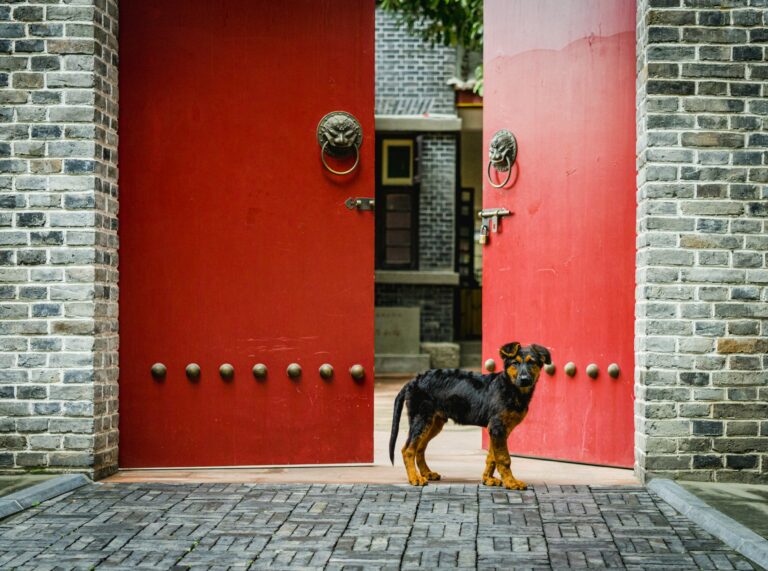
If you’ve ever struggled to hold your dog back as they bolt through the front door, charge out of the car, or rush into the yard, you already know how challenging “thresholds” can be. These physical boundaries — doors, gates, car doors, crate openings — are powerful triggers for excitement and anticipation.
Teaching impulse control at thresholds isn’t just about good manners. It’s about safety, calmness, and trust between you and your dog.
What Are Thresholds and Why Do They Matter?
A threshold is any physical or environmental boundary that separates one space from another. Common examples include:
-
The front door or gate
-
The car door
-
A crate or kennel
-
The entrance to a dog park
For dogs, these spots are full of meaning. A door might lead to adventure, play, or the excitement of greeting people. That anticipation can quickly turn into overstimulation or impulsive behavior — rushing out, barking, lunging, or even ignoring your cues.
Without training, thresholds can become hotspots for unsafe situations — like a dog darting into the street or knocking someone over in their excitement.
The Importance of Teaching Impulse Control
Impulse control simply means teaching your dog to pause and think before acting. It’s one of the most valuable life skills you can give your dog.
When applied to thresholds, impulse control teaches your dog that:
-
Calm behavior opens doors (literally).
-
Rushing ahead doesn’t get them what they want.
-
Listening to you is always rewarding.
Over time, your dog learns that waiting patiently at a door leads to good things — a walk, a car ride, or freedom to explore — but only when they’re calm and focused.
The Benefits of Threshold Training
-
Safety First:
A dog who waits for permission before crossing a threshold won’t dart into danger, traffic, or unfamiliar environments. -
Better Focus and Obedience:
Working thresholds reinforces your dog’s ability to focus on you, even when they’re excited. -
Reduced Overstimulation:
Teaching patience helps your dog remain calmer in other exciting situations, too — like meeting new dogs or guests. -
Stronger Relationship:
When your dog learns to look to you for guidance, it strengthens trust and respect between you.
How to Teach Calm at Thresholds
Here’s a simple step-by-step routine you can start today:
-
Approach the Door Calmly:
Walk toward the door or gate with your dog on a leash. If they start to pull or rush, stop and wait until they settle. -
Ask for a Sit or Wait:
Cue your dog to sit or wait before you touch the handle. If they pop up, reset calmly — no scolding, just consistency. -
Open Slowly:
Start to open the door just a crack. If your dog moves forward, close it quietly and wait for calm again. -
Release on Cue:
When your dog holds their position calmly, use your release word (like “okay” or “free”) and move forward together. -
Practice in Different Places:
Repeat at all kinds of thresholds — crate doors, car doors, gates, even the entrance to the park.
A Lifelong Skill Worth Teaching
Impulse control at thresholds isn’t something that happens overnight, but the results are worth the effort. You’ll have a calmer, safer, more responsive dog — and fewer stressful moments at the door.
With consistent, patient practice, thresholds can go from chaos zones to opportunities for focus and connection.
Final Thoughts
Impulse control at thresholds is more than a training exercise — it’s a mindset. It teaches your dog to trust that good things come when they pause, look to you, and move together as a team.
Whether your dog is a puppy just learning the ropes or an adult who’s always been a little too eager, it’s never too late to start teaching calm at the door.