
Why Proper Leash Handling Can Make or Break a Reactive Dog
When owners struggle with a reactive dog, they often focus on the obvious behaviors—barking, lunging, pulling. But one of the biggest factors influencing that behavior is something most people overlook:
The leash.
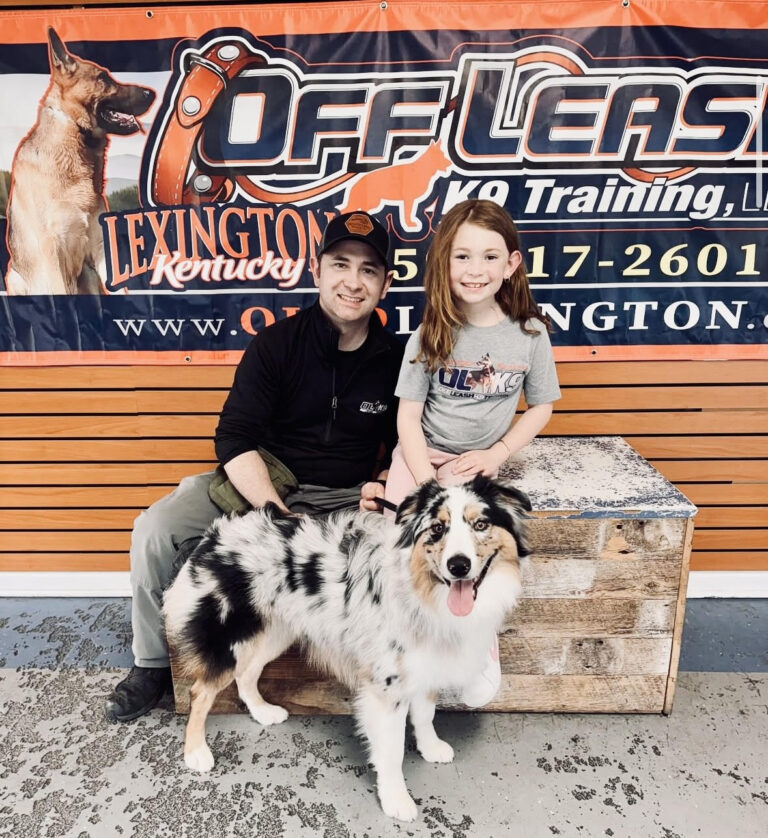
At Off Leash K9 Training Lexington KY, we see it every day—small leash handling mistakes that unintentionally create or intensify reactivity. The good news? Once you understand how the leash affects your dog, you can start seeing real changes almost immediately.
The Leash Is Constant Communication
Whether you realize it or not, you’re always communicating through the leash.
Every time you:
- Tighten up
- Pull back
- Brace for a reaction
Your dog feels it instantly.
Dogs are incredibly sensitive to pressure, and leash tension often signals:
- “Something’s wrong”
- “Be alert”
- “Get ready to react”
So even if your intention is to stay in control, your dog may be interpreting that tension as a reason to become more reactive.
How Tension Triggers Reactivity
There’s a natural instinct in dogs called opposition reflex—when pressure is applied, they push against it.
That means:
- You pull back → your dog pulls forward
- You tense up → your dog becomes more alert
- You anticipate a problem → your dog prepares for one
This is why many dogs behave differently off leash versus on leash. The leash itself isn’t the issue—it’s the tension on it.
Tight Leash = Tight Mindset
When a dog is constantly on a tight leash, several things happen:
- Their movement becomes restricted
- Their frustration increases
- Their ability to stay calm decreases
They can’t create space, disengage naturally, or make relaxed decisions. That pressure builds up and often comes out as:
- Barking
- Lunging
- Explosive reactions
To the owner, it looks like disobedience. To the dog, it feels like being trapped.
Loose Leash = Clear Thinking
A loose leash isn’t just about having a “nice walk”—it creates a completely different mental state for your dog.
With proper leash handling, your dog can:
- Move more naturally
- Process their surroundings calmly
- Look to you for direction instead of reacting
This is where real training begins to take hold.
When used correctly, the leash becomes a guide, not a restraint.
Timing Matters More Than Strength
Many owners try to manage their dog using constant pressure or strength. In reality, effective leash handling comes down to:
- Timing
- Consistency
- Clarity
Quick, well-timed corrections followed by release are far more effective than steady tension.
If the leash is always tight, your dog learns to ignore it. When it’s used with clear timing, your dog begins to understand exactly what’s expected.
Your Body Language Travels Down the Leash
Your dog doesn’t just feel the leash—they feel you.
If you:
- Tighten the leash when you see another dog
- Shorten it quickly
- Tense your body or hesitate
Your dog picks up on all of it.
That energy travels straight down the leash and tells your dog, “Something’s wrong.”
One of the biggest shifts we help owners make is this:
Stay calm, stay loose, and trust the training.
The Right Tools Still Need the Right Handling
Even when using proper equipment—whether it’s a slip lead, prong collar, or other training tools—leash handling still plays a major role.
Tools don’t fix reactivity on their own:
- Poor leash handling can make tools ineffective
- Proper handling can dramatically improve results
That’s why we focus just as much on training owners as we do dogs.
Real Progress Starts With Awareness
Most leash mistakes aren’t intentional—they come from not knowing what to look for.
Once you start noticing:
- When you tighten the leash
- How your dog reacts to that tension
- What happens right before a reaction
You’ll begin to see clear patterns.
And once you see those patterns, you can change them.
Final Thoughts
Reactivity isn’t just about the dog—it’s about the relationship between the dog, the handler, and the environment.
The leash plays a major role in that relationship.
By improving your leash handling, you can:
- Lower your dog’s stress
- Prevent reactions before they start
- Create calmer, more controlled walks
At Off Leash K9 Training Lexington KY, we don’t just teach obedience—we teach clear, effective communication that leads to lasting results.
Struggling with leash reactivity?
Let us show you how small adjustments can make a big impact—and help you turn stressful walks into confident, controlled experiences.